Submit Request ...

-
Forums
Braces with Baby Teeth? Guide to Early Orthodontics

Can Children Who Still Have Baby Teeth Get Braces?
Navigating dental and orthodontic care for young children can seem complex, especially when it comes to the question: Can children who still have baby teeth get braces? If you’ve heard that your child should have all their permanent teeth before visiting the orthodontist for the first time, you’ve been misinformed.
Despite traditional associations of braces with older children and teenagers, there are cases where addressing dental issues at a younger age is not only possible but also crucial for long-term oral health. In fact, putting off a first visit to the orthodontist until all of a child’s permanent teeth are in could do more harm than good.
What Is Phase 1 Orthodontics?
A child can get braces even if they still have baby teeth. In some cases, treatment may be initiated when a child has a mix of both. This is known as “interceptive orthodontics” or “phase 1 orthodontics.” The objectives of early intervention include:
✓ Guiding Jaw Growth: Ensuring sufficient space is available for permanent teeth to emerge correctly
✓ Correcting Bite Problems: Some overbites, underbites, or crossbites may be harder to correct if treatment is delayed until permanent teeth have erupted.
✓ Addressing Harmful Habits: Like thumb sucking or tongue thrusting, which can affect teeth and jaw development.
✓ Improving Aesthetics & Self-esteem: by addressing noticeable dental issues at an early age.
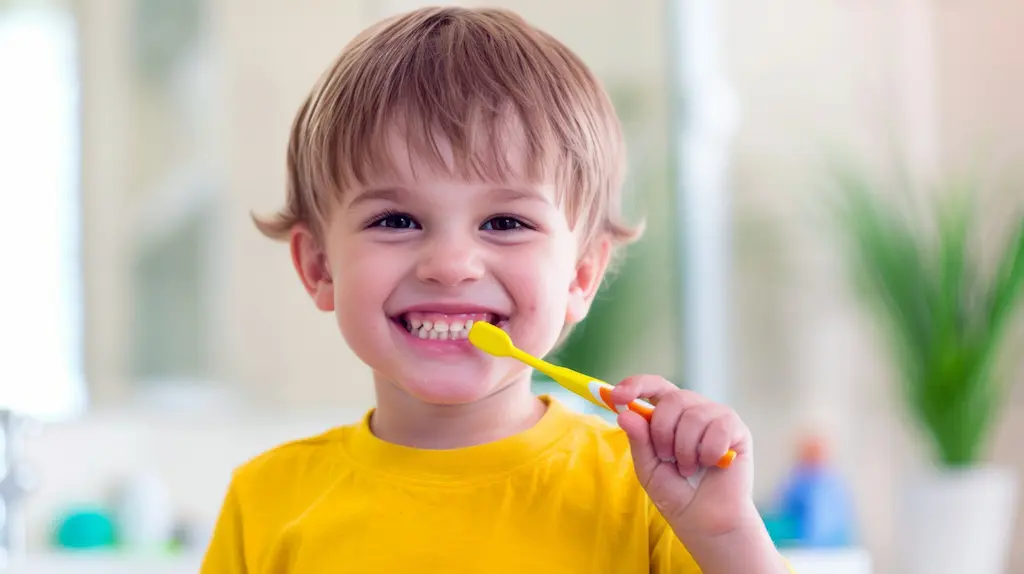
Dental Development in Young Children
A child’s mouth is a busy place, and everything in the body is growing in the early years, including the bones in the jaw and face. Around age 6, the first permanent molars appear, followed by the loss of baby teeth as permanent teeth come in. Typically, this happens in a predictable, particular order, but problems with dental development can arise without warning.
The gums hide about two-thirds of each tooth and the bone that holds the teeth in place. This allows the gums to mask conditions that interfere with the emergence of teeth, making it important to schedule an orthodontic appointment before all permanent teeth are in.
Early or late loss of baby teeth can signal a problem and cause trouble with chewing, biting, or speaking. Not addressing these issues until a child has all their permanent teeth could complicate the treatment process. If you notice these symptoms, schedule an appointment with a trusted orthodontist right away.
The Importance of a Healthy Bite
A central goal of orthodontic treatment is to ensure the bite is aligned properly, meaning that the upper and lower teeth fit together like interlocking gears. With incorrect alignment, your child may have difficulty chewing, speaking, or biting. By catching alignment issues early and correcting them with braces or other orthodontic appliances, you can avoid long-term oral health issues.
Some children can wait for braces until they have most or all of their permanent teeth, while others may benefit from early treatment even with some baby teeth still present. These children might need growth guidance for the bones in their upper and lower jaws to create sufficient space for permanent teeth and correct bite issues, ensuring proper coordination between the jaws. To achieve the best results, their treatment should be timed to coincide with predictable stages of dental development and physical growth.
Beyond the health benefits, proper jaw alignment can help give you a beautiful smile regardless of age.
If your dentist has not referred your child to an orthodontist, you don’t have to wait to schedule an appointment; Orthodontists do not require a referral to see your child.
Articles are reviewed by Dr. Mahvelati, an orthodontic specialist. This information is for educational purposes only. This content is not intended to be a substitute for professional medical advice, diagnosis or treatment. Always seek the advice of your dentist, physician or other qualified healthcare provider.
Please let us know what you think!