Submit Request ...

-
Forums
Broken Bracket Issues During Braces Treatment

Braces are the most common appliance used in orthodontic treatment because they effectively correct most bite problems. However, because braces are secured to the teeth for extended periods, there’s always a chance you could break, damage, or lose a bracket, especially during seasons with more holidays and treats. These orthodontic issues can result in a call or unplanned visit to your orthodontist, considered a “comfort visit.” Before you panic, explore these expert tips for minimizing discomfort and communicating with your orthodontist.
Broken or Damaged Braces: The First Step to Take
If you have a damaged bracket or loose wire, your first reaction may be, “It’s not a big deal,” or “I’ll just wait until my next appointment.” While this may seem acceptable, damaged, broken, or missing brackets can impact your overall treatment time and potentially affect your results. If you notice a problem with your braces, don’t wait – call your orthodontist. Your orthodontist is your partner in creating a HEALTHY smile. If there is an urgent need, you’re experiencing pain, or an injury has occurred, they should be notified, and a comfort appointment should be scheduled.
There is a chance you don’t have to visit the clinic. Your orthodontist may wait to repair the bracket if it isn’t causing discomfort and isn’t interfering with your treatment. In this scenario, the repairs will occur at your next appointment, but your orthodontist will decide based on the extent of the damage and how it will impact your treatment in the long run.
How to Protect Your Mouth from Broken Braces
Even if you notify your orthodontist immediately upon noticing a broken bracket, they may not be able to see you in person right away. In the meantime, stock up with supplies to help ease discomfort. Essential items to keep in your medicine cabinet are:
Orthodontic Wax: This special wax can be applied to sharp wire ends or bracket surfaces to prevent uncomfortable rubbing, stabbing, or scratching inside the mouth.
Dental Floss: Even with a broken bracket or loose wire, it’s still essential to maintain good oral hygiene. Continue to floss regularly to keep food particles from getting stuck once your braces are fixed.
Tweezers: If a wire pokes your cheeks or gums, you can use tweezers to bend it toward your teeth and away from the softer tissues in your mouth. If a bracket is loose on the wire, you can use tweezers to position it between teeth or in the center of a tooth, ensuring it faces the right direction to avoid cuts or scrapes.
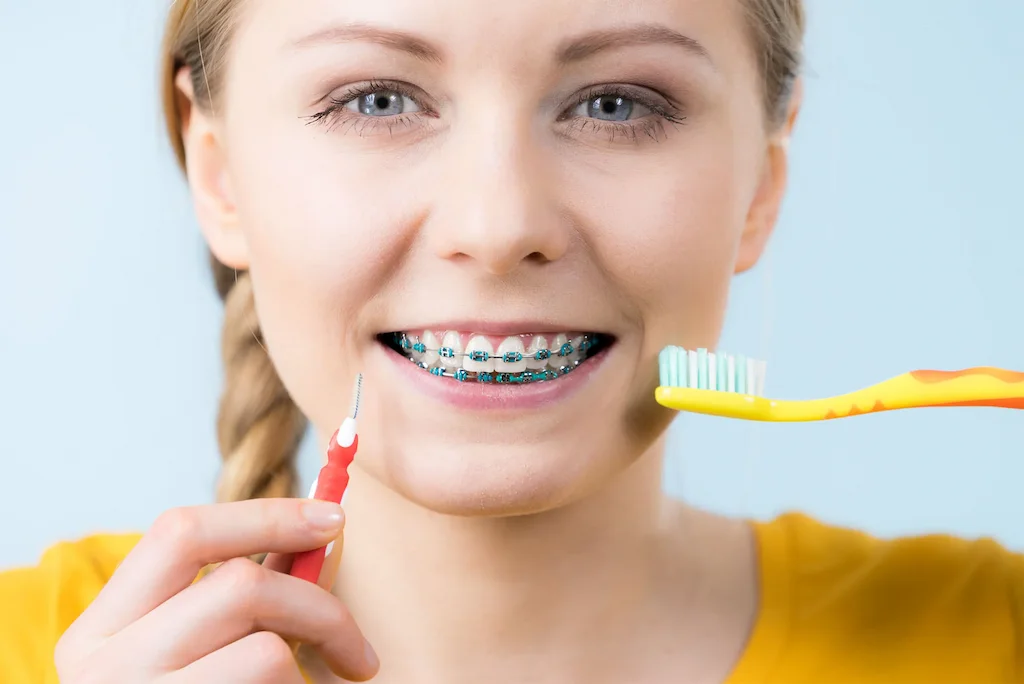
Interproximal Brushes: These specialized brushes are essential for brushing underneath the wire and between the brackets. While dealing with broken braces, interproximal brushes can help you maintain your dental hygiene while avoiding further damage to the appliance.
Topical Anesthetic: If your broken braces continue to cause discomfort after using orthodontic wax, you can use a topical over-the-counter anesthetic ease the pain.
Over-the-Counter Pain Relievers: Like treating a headache, you can also use pain relievers like Ibuprofen and Tylenol to reduce inflammation and discomfort.
Salt Water Rinse: If your broken bracket cuts your cheeks, use a warm salt water rinse to soothe the area and mitigate infection. Mix 1 teaspoon of salt with 8 ounces of warm water.
Articles are reviewed by Dr. Mahvelati, an orthodontic specialist. This information is for educational purposes only. This content is not intended to be a substitute for professional medical advice, diagnosis or treatment. Always seek the advice of your dentist, physician or other qualified healthcare provider.
Please let us know what you think!