Submit Request ...

-
Forums
Regular Pre-Orthodontic Treatment Visits: The Importance of Orthodontic Observation Appointments

you’ve taken your child to their first orthodontist appointment… congratulations! Your orthodontic treatment journey has officially begun. If an area of concern was noted, your orthodontist might have suggested periodic observational visits, essential for monitoring your child’s teeth, face, and jaw development.
Are Observational Visits Really Necessary?
Yes, they are! Often scheduled once or twice a year, these visits allow your orthodontist to monitor changes as your child grows. These appointments are typically short and hassle-free, with the primary goal being to monitor the child’s dental and skeletal development as well as to identify any orthodontic issues.
Your child’s unique jaw and dental development often indicate the ideal time to start treatment. During observational appointments, your child’s orthodontist can track these changes and determine the best time to begin treatment.
Orthodontic treatment doesn’t always mean a child gets braces. Treatment could consist of pulling a stubborn baby tooth at the right time or intervening to stop a thumb-sucking habit. AAO orthodontists are experts in knowing what type of treatment is needed and when it will be most beneficial.
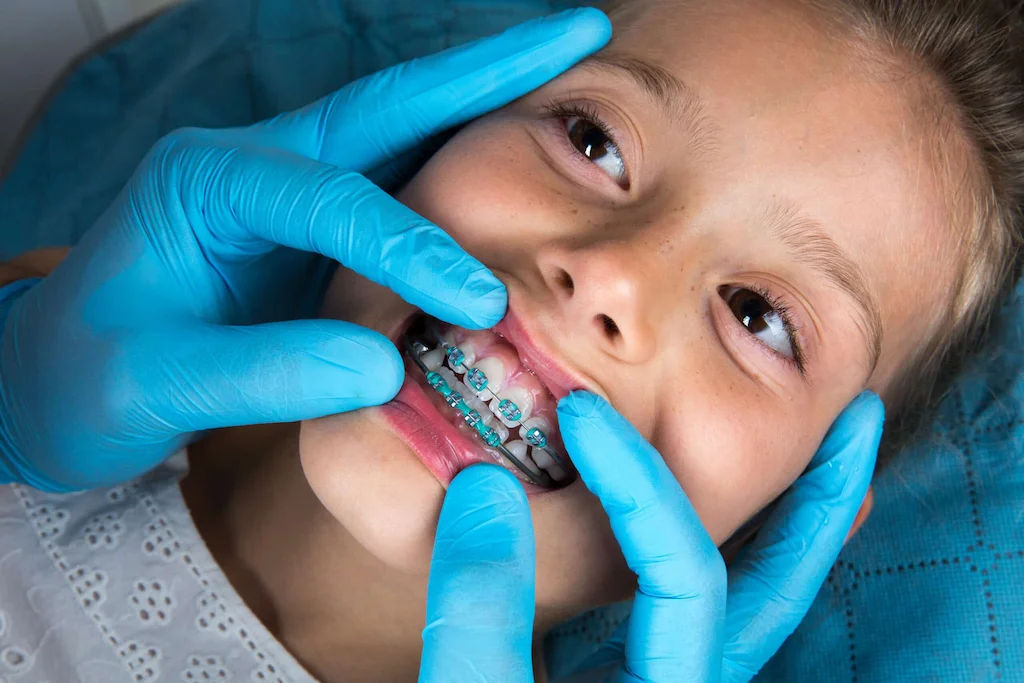
What Happens at an Observational Orthodontic Visit?
these visits are essential for children in the developmental stages of their dental health. Typically, your orthodontist will assess the child’s facial growth, jaw alignment, and the space available for permanent teeth. These visits also include a general check of the child’s dental health. Your orthodontist may also use X-rays or other dental imaging technology to get a more detailed look at the position of the teeth and the bone structure of the jaws. These images help assess any underlying issues not visible during a regular examination.
The kinds of things your orthodontist will be looking for include whether:
✓ Baby teeth are being lost on schedule.
✓ Permanent teeth are coming in symmetrically, in the correct sequence at the correct time, and in the correct position.
✓ Upper and lower jaws are developing correctly.
✓ Permanent teeth have enough room to come in.
✓ Treatment is necessary to intercept a developing or existing problem.

How to Know When It’s Time for Treatment
The American Association of Orthodontists (AAO) recommends you continue to have your child seen periodically by your orthodontist during their dental development, even if active treatment has yet to be suggested. By visiting the orthodontist regularly before treatment, your orthodontist can provide tailored recommendations for treatment, including when to start, the type of appliance, and more. These observational visits allow your child to get the best results from their orthodontic treatment and the precious gift of a healthy, beautiful smile.
AAO recommends children first visit the orthodontist at age 7, even if there isn’t a noticeable orthodontic issue yet. By starting regular appointments early, your orthodontist can ensure your child begins treatment at the right time and gets the best results possible.
Access Comprehensive, Tailored Treatment with an Orthodontist
The only doctors who can call themselves “orthodontists” have graduated from dental school and then completed the additional two to three years of education in an accredited orthodontic residency program.
When you choose an orthodontist for orthodontic treatment, you can rest assured that you have selected a specialist in orthodontics and dentofacial orthopedics with the skills and experience to give you your best smile.
If your child still needs to visit an orthodontist, Dr. Mahvelati can assess their growth and development to determine the ideal time to begin treatment and identify the most effective orthodontic appliances for their needs.
Articles are reviewed by Dr. Mahvelati, an orthodontic specialist. This information is for educational purposes only. This content is not intended to be a substitute for professional medical advice, diagnosis or treatment. Always seek the advice of your dentist, physician or other qualified healthcare provider.
Please let us know what you think!